Introduction
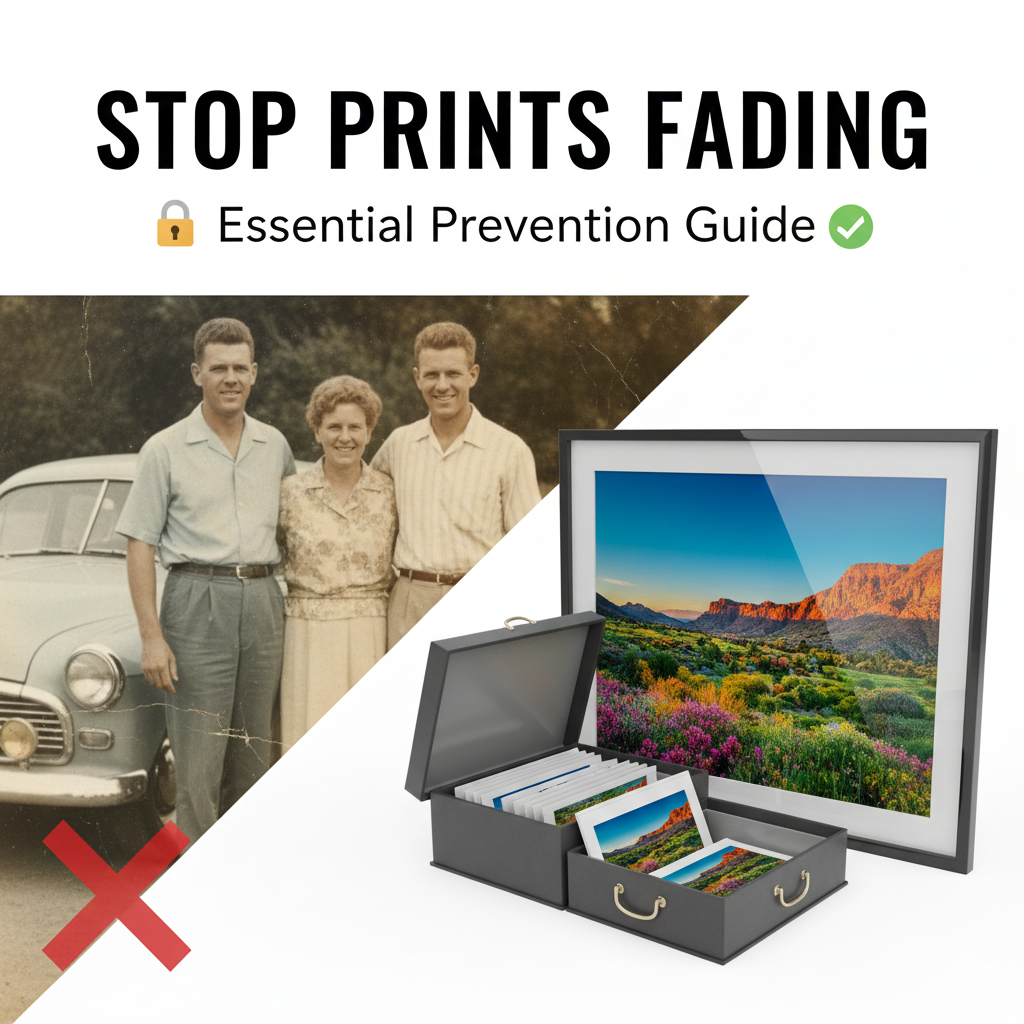
Understanding why prints fade over time helps you protect precious memories and important documents from permanent damage. You carefully print family photos, artwork, or business materials only to discover months or years later that colors have dulled, whites have yellowed, and images look nothing like the vibrant prints you originally created. This heartbreaking deterioration affects millions of prints every year, destroying irreplaceable photographs and valuable documents.
This comprehensive prevention guide reveals the exact scientific reasons why prints fade over time and provides proven strategies to preserve your prints for decades. Whether you’re printing family photos, professional artwork, or archival documents, you’ll discover practical techniques that dramatically extend print life and maintain color accuracy for generations to come.
What Causes Why Prints Fade Over Time?
Why prints fade over time involves multiple chemical and environmental factors that gradually degrade ink pigments and paper substrates. Understanding these deterioration mechanisms helps you prevent damage before it occurs.
Light exposure is the primary culprit behind print fading. Ultraviolet (UV) rays from sunlight and even indoor lighting break down chemical bonds in ink molecules through a process called photodegradation. This molecular breakdown causes colors to lose vibrancy and intensity over time.
Air quality significantly impacts print longevity. Ozone, nitrogen oxides, and sulfur compounds in polluted air react with ink pigments, causing color shifts and fading. These reactive gases are more concentrated in urban areas and industrial environments.
Humidity accelerates deterioration by promoting mold growth, causing paper warping, and facilitating chemical reactions that degrade both ink and paper. Moisture also allows water-soluble dye inks to migrate or bleed.
Temperature extremes stress print materials. Heat speeds up chemical degradation processes, while temperature fluctuations cause expansion and contraction that physically damages prints.
Paper quality matters enormously. Acidic paper contains lignin and other compounds that yellow and become brittle over time. This acid migration affects both the paper itself and any inks applied to its surface.
Ink type determines base longevity. Dye-based inks are water-soluble and fade faster than pigment-based inks, which consist of solid color particles suspended in liquid. Understanding why prints fade over time starts with knowing your ink chemistry.
8 Proven Methods to Prevent Why Prints Fade Over Time
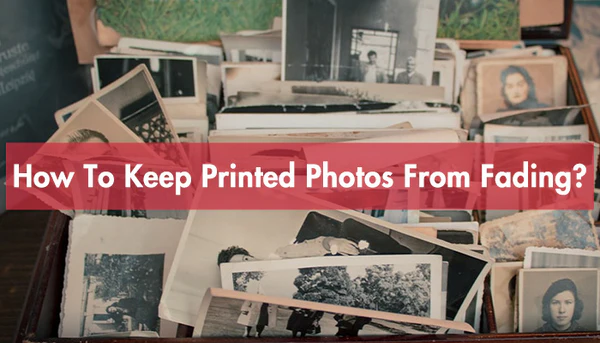
Step 1: Use Pigment-Based Inks to Prevent Why Prints Fade Over Time
Switching from dye-based to pigment-based inks dramatically extends print life and addresses why prints fade over time at the molecular level.
Pigment inks contain microscopic solid particles that sit on paper surfaces rather than being absorbed. These particles resist UV light, moisture, and air pollutants far better than dye molecules.
Dye inks produce slightly more vibrant colors and smoother gradients but fade within 5-25 years under normal conditions. Pigment inks last 100-200+ years when properly stored.
Major printer manufacturers offer pigment ink options. Epson’s UltraChrome, Canon’s LUCIA, and HP’s Vivera pigment inks all provide superior fade resistance compared to standard dye formulations.
Check your printer specifications to determine whether it uses dye or pigment inks. Many photo printers use hybrid systems with dye-based color inks and pigment black ink.
If your current printer only supports dye inks and you need archival longevity, consider upgrading to a pigment-based model. The investment pays off in preserved memories and reduced reprinting costs.
For existing dye-based prints you want to preserve, apply protective sprays or coatings designed for photographs. These create barriers against environmental damage, though they can’t match pigment ink’s inherent stability.
Always use genuine manufacturer ink cartridges when print longevity matters. Third-party inks vary wildly in quality and fade resistance, with some failing within months.
Step 2: Choose Archival-Quality Paper to Understand Why Prints Fade Over Time
Paper quality is equally important as ink choice when addressing why prints fade over time. The wrong paper accelerates deterioration regardless of ink type.
Look for acid-free paper with neutral pH (7.0 or slightly alkaline at 8.0-9.5). Acidic paper undergoes hydrolysis, breaking down cellulose fibers and turning yellow or brown over decades.
Lignin-free paper prevents yellowing. Lignin is a natural wood component that oxidizes and darkens when exposed to light and air. Quality photo papers remove lignin during manufacturing.
Check for archival certifications on paper packaging. Terms like “archival,” “museum quality,” “conservation grade,” or “acid-free” indicate papers designed for long-term preservation.
Cotton rag papers offer the best longevity, often lasting 200+ years. These premium papers contain cotton fibers instead of wood pulp, eliminating lignin entirely.
Buffered papers contain alkaline reserves (usually calcium carbonate) that neutralize acids migrating from the environment. This buffering extends paper life significantly.
Paper weight and thickness affect durability. Heavier papers (250+ gsm) resist physical damage and environmental stress better than thin papers.
Specific archival papers to consider include Hahnemühle Photo Rag, Epson Exhibition Fiber Paper, Canon Fine Art Premium Matte, and Ilford Galerie Prestige. These professional-grade papers pair perfectly with pigment inks for maximum longevity.
Store unused paper in its original packaging in cool, dry conditions. Paper absorbs moisture and pollutants from air, degrading quality even before printing.
Step 3: Control Light Exposure to Prevent Why Prints Fade Over Time
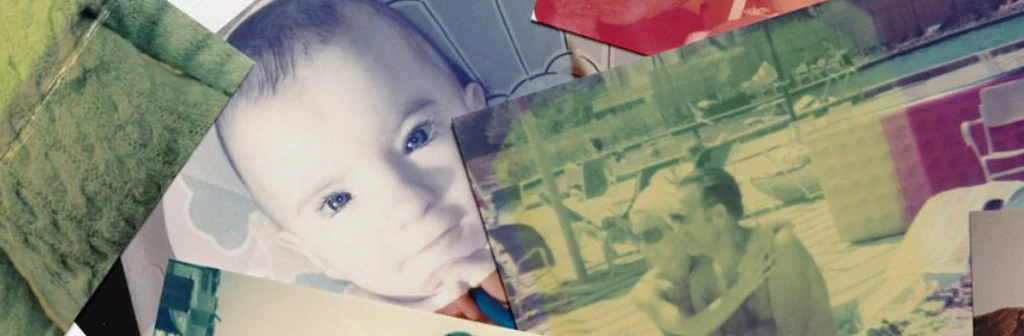
Light exposure is the number one environmental factor explaining why prints fade over time. Proper lighting strategies preserve print quality for decades.
Never display prints in direct sunlight. UV radiation from sun exposure causes severe fading within months, even with pigment inks and archival paper.
Position framed prints on walls perpendicular to windows rather than opposite them. This minimizes direct light exposure while still allowing viewing.
Use UV-filtering glass or acrylic in frames. These specialized glazing materials block 97-99% of UV radiation while maintaining optical clarity. Museum-quality UV glass costs more but provides superior protection.
Replace standard light bulbs with LED bulbs that emit minimal UV radiation. Incandescent and fluorescent bulbs emit more UV light that damages prints over time.
Limit display time for valuable prints. Rotate displayed images every 6-12 months, storing others in dark, controlled environments. This “rest period” significantly extends overall print life.
Install window films or UV-blocking shades on windows in rooms with displayed prints. These treatments reduce UV exposure throughout the space.
Use appropriate lighting levels for display. Illuminate prints with 50-150 lux for color photographs and 150-300 lux for black and white images. Higher light levels accelerate fading.
Consider digital displays for images requiring constant visibility. High-quality digital frames eliminate fading concerns while allowing easy image rotation.
Step 4: Maintain Proper Humidity and Temperature for Why Prints Fade Over Time Prevention
Environmental conditions dramatically impact why prints fade over time. Controlling temperature and humidity creates ideal preservation conditions.
Maintain relative humidity between 30-50%. Below 30% causes paper to become brittle and crack. Above 50% promotes mold growth and chemical reactions that degrade prints.
Keep temperature stable between 60-70°F (15-21°C). Higher temperatures accelerate all chemical degradation processes. Each 10°F increase roughly doubles the rate of chemical reactions.
Avoid temperature and humidity fluctuations. Cycling between extremes physically stresses prints, causing warping, cockling, and accelerated deterioration.
Use dehumidifiers in damp climates and humidifiers in arid environments to maintain optimal conditions. Monitor levels with inexpensive hygrometers placed near stored or displayed prints.
Never store prints in attics, basements, or garages where temperature and humidity fluctuate wildly. These spaces experience extreme conditions that rapidly destroy prints.
Climate-controlled interior spaces offer the best storage environment. Closets, drawers, and cabinets in temperature-controlled rooms provide consistent conditions.
For extremely valuable prints, consider archival storage boxes with humidity indicator cards. These specialized containers maintain optimal conditions even if surrounding room conditions vary.
Avoid storing prints near heating vents, air conditioners, or exterior walls where temperature gradients create localized humidity problems.
Step 5: Use Proper Storage Methods to Address Why Prints Fade Over Time
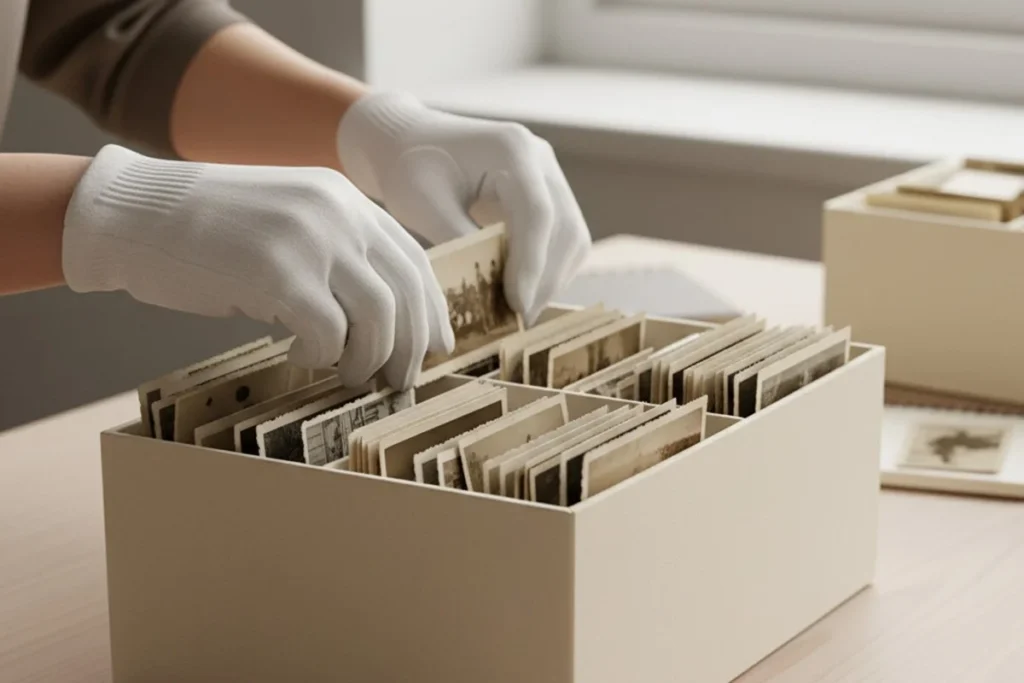
How you store prints when not displayed significantly affects their longevity and directly relates to why prints fade over time.
Use archival-quality storage materials exclusively. Regular paper, cardboard, and plastic contain acids and chemicals that damage prints through direct contact.
Acid-free tissue paper or glassine should separate individual prints in storage. This prevents prints from sticking together and protects surfaces from abrasion.
Store prints flat rather than rolled whenever possible. Rolling stresses paper fibers and can cause permanent creasing or cracking, especially with thick papers.
Archival storage boxes made from acid-free, lignin-free board protect prints from light, dust, and physical damage. These boxes come in various sizes for different print dimensions.
Never use regular manila folders, envelopes, or file boxes for long-term print storage. These products contain acids that migrate to prints, causing yellowing and deterioration.
Polyester (Mylar) sleeves provide excellent protection for individual prints. Unlike vinyl or PVC plastics which release harmful chemicals, polyester is chemically stable and won’t damage prints.
Avoid adhesive materials like tape, glue, or sticky photo corners that contact print surfaces. These adhesives contain acids and eventually stain or damage prints permanently.
Label storage containers with archival-quality pencils rather than markers or pens. Ink from regular writing instruments can transfer to prints over time.
Step 6: Improve Air Quality to Prevent Why Prints Fade Over Time
Air pollutants silently attack prints, contributing significantly to why prints fade over time even when protected from light.
Ozone from electronic equipment, air purifiers, and outdoor pollution causes rapid dye ink fading. Even pigment inks degrade faster in ozone-rich environments.
Use air purifiers with activated carbon filters to remove ozone and other gaseous pollutants. HEPA filters alone don’t remove gases—carbon filtration is essential.
Avoid displaying prints near computers, printers, copiers, or other electronic devices that generate ozone. These devices create localized high-ozone zones that accelerate fading.
Never display prints in kitchens where cooking releases oils, acids, and other airborne contaminants that settle on surfaces and damage prints.
Keep prints away from fireplaces and smoking areas. Smoke particles contain hundreds of chemicals that discolor and deteriorate both paper and ink.
Change HVAC filters regularly using high-quality filters rated MERV 11 or higher. This maintains cleaner indoor air throughout your home or office.
Seal prints behind glass in frames to create protective barriers against airborne pollutants. Ensure frames are properly sealed to prevent air circulation between glass and print.
For museums and galleries, professional air quality monitoring systems track pollutant levels and alert staff when conditions exceed safe thresholds for art preservation.
Step 7: Apply Protective Coatings Understanding Why Prints Fade Over Time

Protective coatings add extra defense layers that address why prints fade over time by creating barriers against environmental damage.
Spray coatings designed for photographs provide UV protection, moisture resistance, and physical surface protection. Products like Hahnemühle Protective Spray or Breathing Color Glamour II work well.
Apply coatings in well-ventilated areas following manufacturer instructions carefully. Hold spray cans 12-18 inches from prints and apply multiple thin coats rather than one heavy coat.
Allow proper drying time between coats and before handling. Rushing this process causes uneven coverage, bubbling, or surface defects.
Lamination provides robust physical protection but isn’t recommended for archival purposes. The heat and adhesives used in lamination can damage prints and make future conservation impossible.
Cold lamination (pressure-sensitive film without heat) offers better archival properties than hot lamination but still presents long-term risks from adhesive degradation.
For valuable prints, consult professional conservators about appropriate coating methods. Some coating techniques are irreversible and may complicate future restoration efforts.
Test coatings on non-critical prints before applying to important images. Different paper surfaces react differently to various coating products.
Remember that protective coatings extend print life but don’t eliminate the need for proper storage, lighting, and environmental controls.
Step 8: Frame Prints Properly to Prevent Why Prints Fade Over Time
Proper framing techniques significantly impact print longevity and help prevent why prints fade over time through multiple protective mechanisms.
Use archival-quality mat boards with 4-ply or higher thickness. Mats prevent prints from touching glass, which can cause sticking or condensation damage.
Ensure mat boards are acid-free, lignin-free, and buffered. Poor-quality mats cause more damage to prints than almost any other framing component.
Create a sealed backing on frames using archival kraft paper. This prevents dust, pollutants, and insects from entering the frame from behind.
Use mounting corners or hinges made from archival materials rather than adhesives that contact print surfaces. Archival linen tape works well for hingeing prints.
Choose glazing materials carefully. Museum glass offers superior UV protection (99% blocking) but costs significantly more than regular glass. Acrylic alternatives like Plexiglas UF-3 or UF-5 provide excellent UV protection at moderate cost.
Ensure proper spacing between print and glazing material. Direct contact can cause sticking, especially in humid conditions. Spacers or thick mats prevent this problem.
Seal frame backs with corner protectors and hanging hardware that don’t compromise the sealed environment you’ve created.
For maximum protection, use conservation framing techniques recommended by the Library of Congress or similar archival authorities.
Additional Tools for Preventing Why Prints Fade Over Time
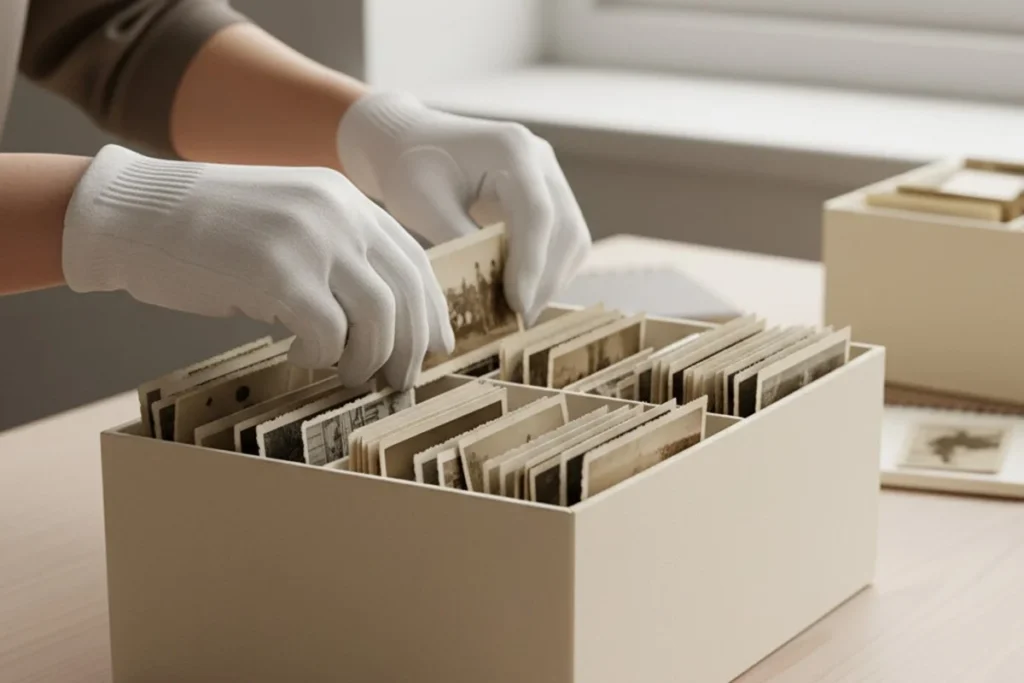
Several specialized tools and resources help you implement comprehensive print preservation strategies.
Light meters measure exact light levels where prints are displayed. These affordable devices ensure illumination stays within safe ranges. Lux meters designed for museum conservation provide most accurate readings.
Hygrometers with data logging capabilities track temperature and humidity over time. This historical data reveals patterns that might damage prints even if spot checks seem acceptable.
UV light detectors help identify problematic light sources in your home or office. Some smartphone apps can measure UV levels, though dedicated meters provide better accuracy.
Archival storage suppliers like Gaylord Archival, University Products, and Talas offer complete lines of preservation materials meeting conservation standards. These specialized vendors provide products unavailable at general retailers.
The Image Permanence Institute at Rochester Institute of Technology researches print longevity and publishes valuable data at <a href=”https://www.imagepermanenceinstitute.org/”>https://www.imagepermanenceinstitute.org/</a>. Their resources include ink and paper longevity ratings.
Wilhelm Imaging Research provides independent testing of ink, paper, and printer combinations for archival permanence. Their data helps consumers choose materials for maximum longevity.
Professional conservation organizations like the American Institute for Conservation offer directories of qualified conservators who can assess valuable prints and recommend or perform preservation treatments.
Common Mistakes When Addressing Why Prints Fade Over Time
Using Regular Photo Frames from Retail Stores
Most decorative frames sold in general retail stores aren’t designed for print preservation and actually accelerate why prints fade over time.
These frames typically use acidic mats, non-UV-protective glass, and cardboard backing that releases acids. The attractive appearance masks materials that damage prints.
Frames marketed specifically for archival or conservation purposes use proper materials. Look for explicit archival certifications rather than assuming any frame is suitable.
Spending money on quality printing then using poor frames wastes your investment in longevity. The frame quality matters as much as ink and paper choices.
Believing Lamination Provides Archival Protection
Many people laminate prints thinking this preserves them forever, but lamination often accelerates deterioration rather than preventing why prints fade over time.
Heat lamination exposes prints to high temperatures that can damage inks and paper. The plastic films used in lamination can yellow, bubble, or delaminate over time.
Adhesives in lamination eventually degrade, releasing acids that stain prints. Removing lamination later to salvage prints is difficult or impossible without causing damage.
For documents requiring physical protection, use polyester sleeves or folders instead of lamination. These provide durability without permanent alteration.
Displaying Prints in “Safe” Artificial Light Without UV Protection
Many people assume indoor lighting is safe, not realizing artificial lights contribute significantly to why prints fade over time.
Fluorescent bulbs emit substantial UV radiation. Even though they don’t produce the heat of incandescent bulbs, their UV output damages prints.
LED bulbs vary in UV output depending on design. Some LEDs emit minimal UV, while others produce moderate amounts. Check specifications or use UV meters to verify.
Without UV-filtering glazing or appropriate bulb selection, even moderate indoor lighting slowly degrades prints over years of exposure.
Storing Digital Files as the Only Backup
While digital backups are valuable, relying solely on them ignores why prints fade over time and leaves you without physical copies if digital storage fails.
Hard drives fail, cloud services disappear, and file formats become obsolete. Maintaining physical prints alongside digital files provides redundancy.
High-quality pigment prints on archival paper, properly stored, can outlast digital storage media by decades. They require no electricity, software, or hardware to access.
Implement a comprehensive preservation strategy that includes both properly preserved physical prints and multiple digital backup copies in different locations.
Frequently Asked Questions About Why Prints Fade Over Time
Q: How long do prints last before fading becomes noticeable?
This depends entirely on ink type, paper quality, and storage conditions. Dye-based prints in direct sunlight fade within months. Dye prints in indoor lighting last 5-25 years. Pigment-based prints on archival paper, properly displayed and stored, maintain quality for 100-200+ years. The specific conditions matter more than general timelines. Prints displayed in bright rooms fade faster than those in dim conditions, and prints in polluted urban environments deteriorate faster than those in clean air.
Q: Can faded prints be restored to original condition?
Once prints fade, the damage is permanent at the molecular level. The chemical bonds in ink molecules that broke during photodegradation cannot be repaired. Professional photo restoration can digitally recreate lost colors from scanned faded prints, but the original physical print remains faded. This is why prevention is crucial—understanding why prints fade over time and taking protective measures from the start saves irreplaceable images that restoration cannot fully recover.
Q: Does framing behind glass completely prevent why prints fade over time?
Regular glass provides minimal protection against fading. It blocks some UV radiation but allows visible light through, which also causes degradation. UV-filtering glass or acrylic blocks 97-99% of UV rays, providing much better protection but not absolute immunity. Framing behind quality UV glass extends print life significantly but must be combined with appropriate lighting, air quality control, and environmental conditions for maximum longevity. Glass protects against physical damage and some pollutants but isn’t a complete solution alone.
Q: Are expensive printer inks worth the cost for preventing why prints fade over time?
Genuine manufacturer pigment inks cost 2-3 times more than budget third-party dye inks but last 10-20 times longer under typical conditions. For important photos and documents, this represents enormous value. Calculate the cost of reprinting faded images plus the irreplaceable nature of original moments captured in photographs. Quality pigment inks paired with archival paper might cost $2-5 per 8×10 print versus $0.50 for budget materials, but the longevity difference makes premium materials dramatically more cost-effective over time.
Conclusion
Understanding why prints fade over time empowers you to preserve precious photographs and important documents for generations. The eight prevention methods outlined in this guide—from using pigment inks and archival paper to controlling environmental conditions and implementing proper framing—work together to extend print life from mere years to centuries. No single technique provides complete protection; comprehensive preservation requires addressing multiple deterioration factors simultaneously. Start by evaluating your current storage and display conditions, then gradually implement improvements based on your prints’ value and intended longevity. Avoid common mistakes like using non-archival framing materials or relying on lamination for protection. Remember that preventing why prints fade over time is far easier and more effective than attempting to restore already-damaged prints. Apply these evidence-based preservation strategies today to ensure your printed memories, artwork, and documents remain vibrant and beautiful for your lifetime and beyond.
Borderless Photo Printing Gaps: Ultimate Troubleshooting Guide Read More